
ESP Arcing: Common Causes, Diagnosis, and Corrective Actions

Occasional electrical discharge may occur in an ESP, but repeated arcing can reduce collection performance and stress components. Diagnosis should begin with safe isolation and a structured inspection.
Duct Leakage Testing: Methods, Acceptance, and Documentation
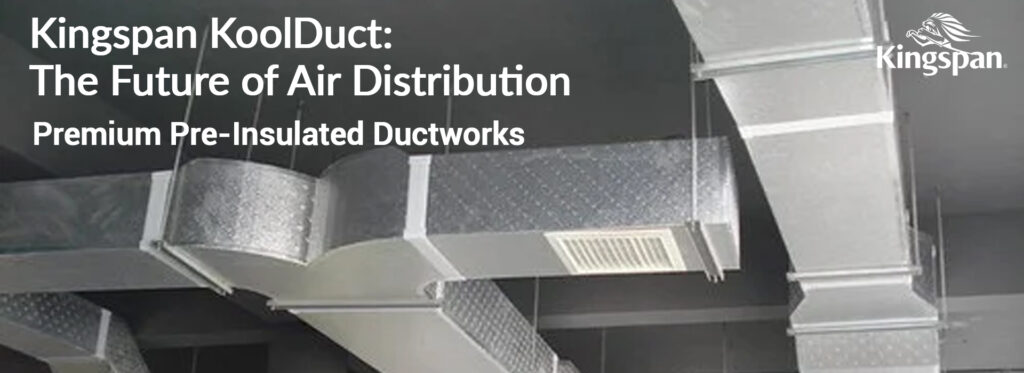
Duct leakage testing demonstrates whether an installed air-distribution system meets the project’s sealing requirement. A useful test plan defines the test section, pressure, allowable leakage, instruments, and documentation before work begins.
ESP Washwater, Drainage, and Cleaning Planning
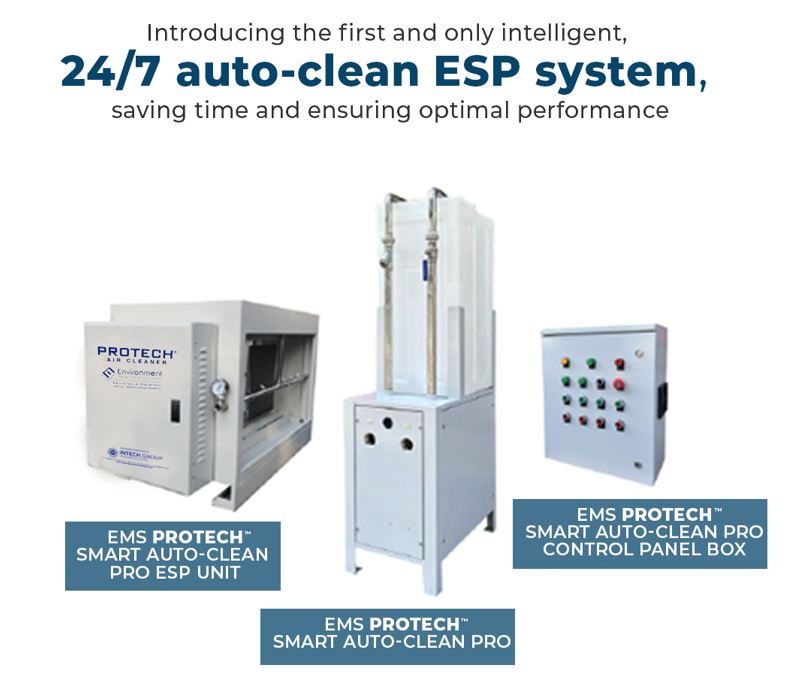
Cleaning infrastructure is part of ESP design, not an afterthought. Safe water supply, containment, drainage, and access help prevent greasy runoff, corrosion, extended downtime, and inconsistent maintenance.
ESP Commissioning Checklist for Commercial Kitchen Exhaust Systems
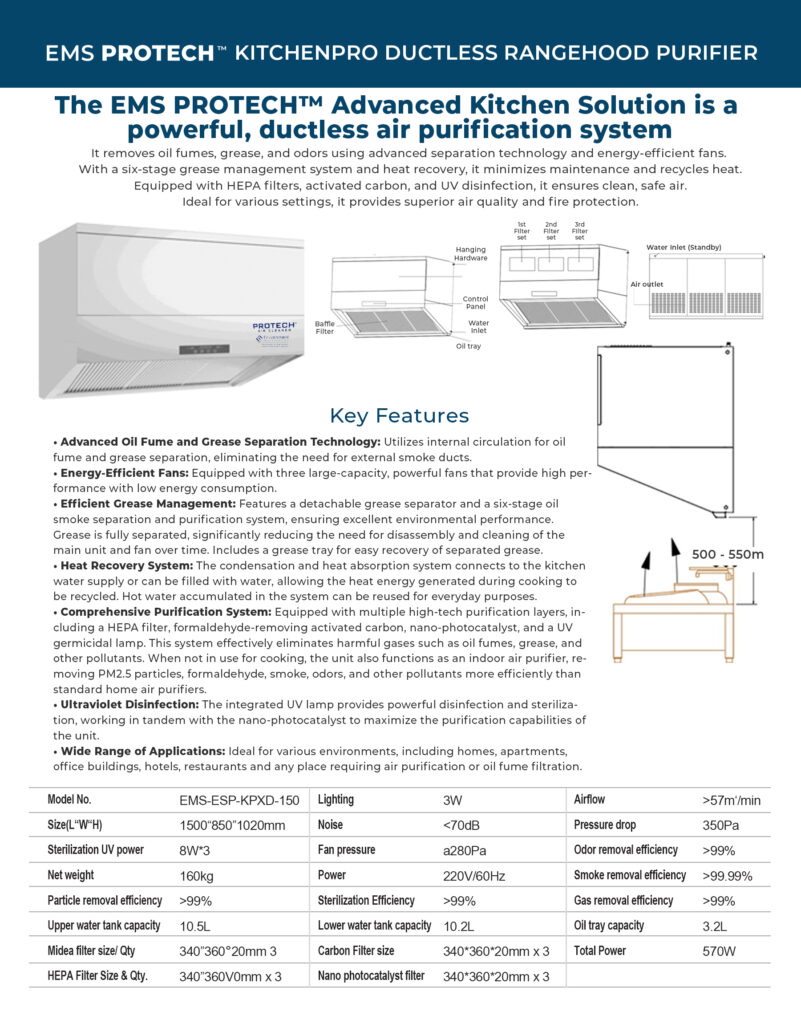
Commissioning confirms that an installed ESP system performs as designed and can be maintained safely. It should verify airflow, electrical operation, interlocks, access, drainage, and documentation.
Duct Velocity and Noise Control in Commercial Buildings
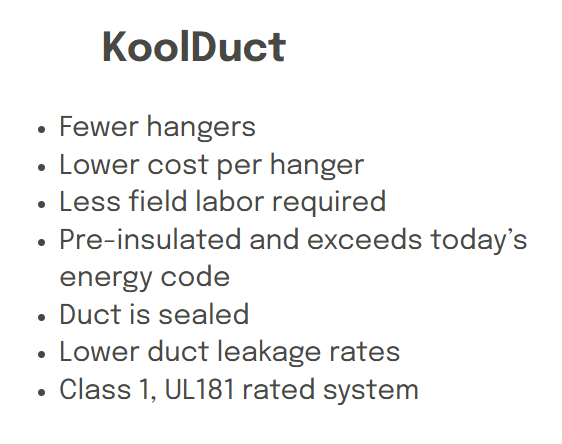
Duct velocity affects space, pressure loss, breakout noise, terminal noise, and comfort. Good design uses velocity as one part of a complete acoustic and airflow strategy.
Static Pressure in HVAC Duct Systems: What Project Teams Need to Know
Static pressure is the force the fan must overcome to move design airflow through ducts, fittings, filters, coils, terminals, and air-cleaning equipment. It links duct design directly to fan selection and energy use.
ESP Pressure Drop and Exhaust Fan Coordination
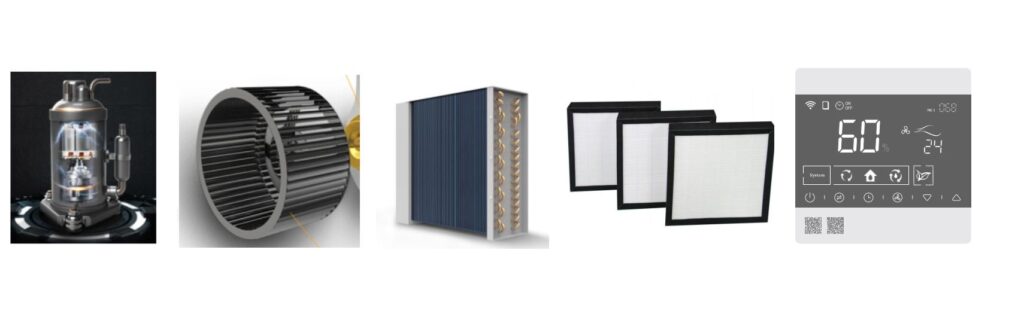
An ESP must be coordinated with the exhaust fan as part of one air system. Ignoring pressure losses can reduce hood capture, increase noise, or move the fan away from its efficient operating point.
How to Select an Industrial Ventilation Fan for Philippine Facilities

Industrial ventilation performance depends on coordinated fan, ductwork, controls, and air-cleaning equipment. Selecting an industrial ventilation fan is not simply a matter of matching duct diameter or choosing the highest airflow rating. A reliable system must deliver the required air volume against the actual resistance of the ductwork, filters, dampers, hoods, and air-cleaning equipment. For […]
ESP Sizing by Airflow and Contaminant Load

Correct ESP sizing starts with verified airflow, grease and smoke loading, operating hours, and the desired discharge condition. A nominal airflow figure alone is not enough.
Make-Up Air for Commercial Kitchens: A Practical Design Guide
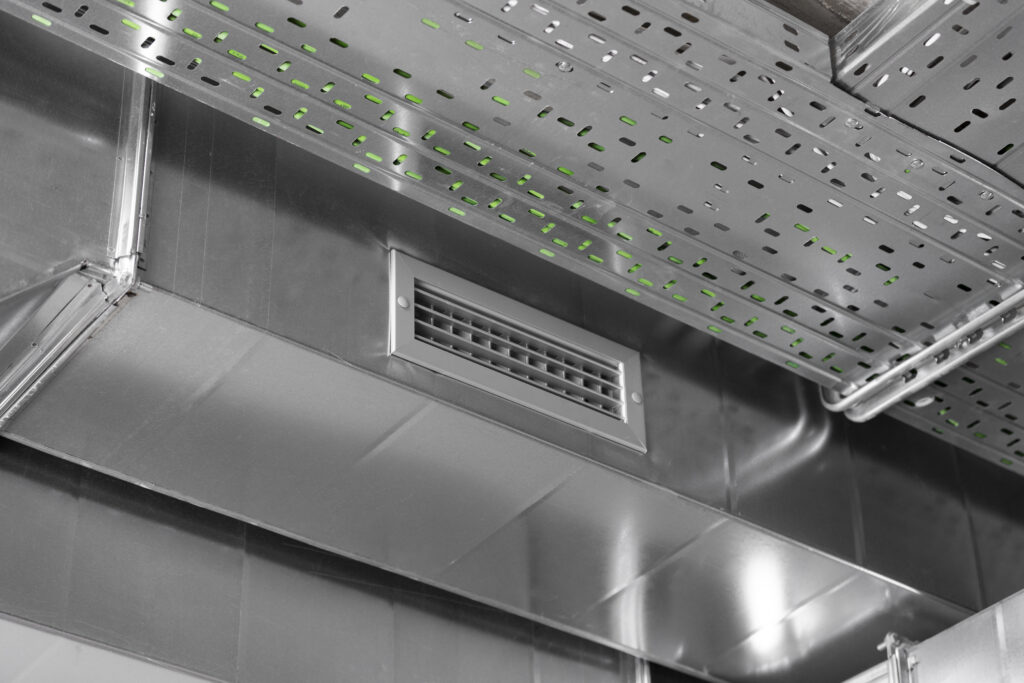
A commercial kitchen exhaust system cannot work properly unless removed air is replaced in a controlled way. Make-up air protects capture performance, comfort, door operation, and pressure balance.